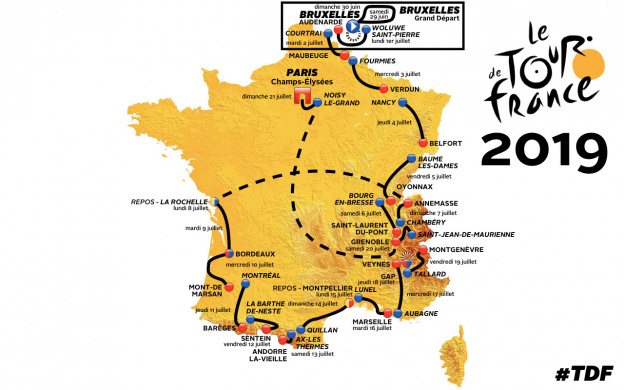
This week, the 106th Tour de France began in Brussels and will end in Paris on Sunday July 28th. Over 21 days, nearly 200 cyclists will cover almost 3,500 km throughout France including mountain stages in the Alps and Pyrenees.
This bike race is like a gateway drug…
Taking place each July for three weeks, the Tour de France is the biggest race on the cycling calendar and for many fans is the gateway to cycling. Watching riders soar past golden fields, climb beautiful mountain passes and seemingly bask in the French sun has inspired many fans and first-time viewers alike to brush off their dusty old bikes and go for a ride.
But really getting to know this intricate race and complicated sport requires a little bit of background. To know cycling is to understand the language of this beautiful sport which includes French, Spanish, Italian, and Flemish.
In this post, we’ll take a look at the history of the Tour and highlight a few of the things to look for as you watch the race.
Over 100 years of history
The Tour was started by newspaper man Henri Desgrange in 1903 as a publicity stunt. The newspaper Desgrange worked for, L’Auto (which subsequently became L’equipe), needed something to pull readers away from it’s rivals. What better than a race around France, an inconceivable task in the days of dirt roads and single speed bikes.
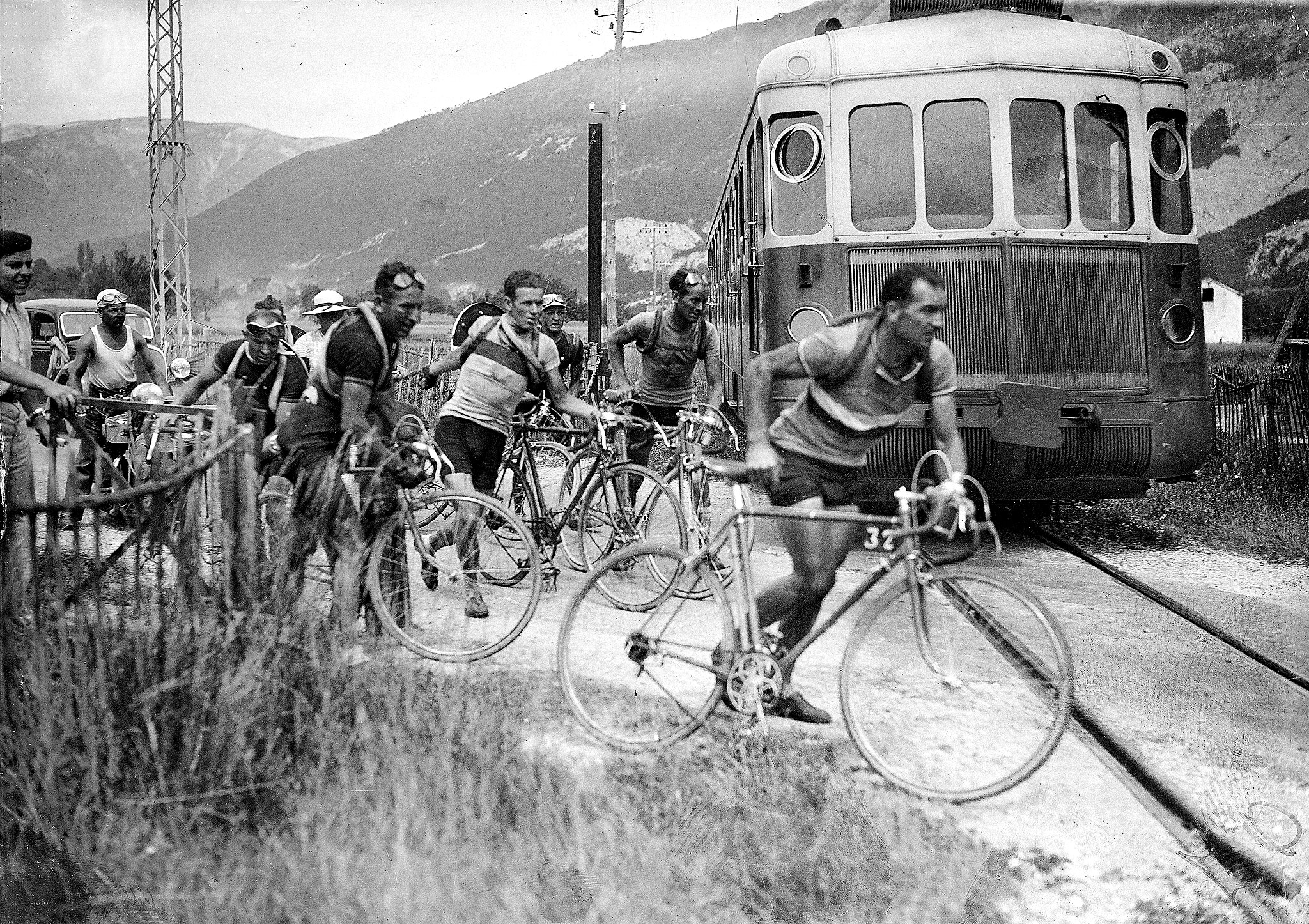
Interrupted by only two world wars the race was a success and has been copied elsewhere, most notably with the Giro d’Italia and the Vuelta a España.
Each day some riders vie for the glory of an individual stage win which for those lucky few can make a career and even lifelong fame, while other challenge for one of the three points jerseys. Even fewer compete for the overall win, which goes to the rider with the lowest overall (elapsed) time.
Four unique types of stages
Prologue: This is a short initial stage in which each rider races against the clock. The prologue is much like a time trial and helps sort out logistics like the order of the team cars.
Flat: Just because it’s called a flat stage doesn’t necessarily mean it’s perfectly so. This stage can still be lumpy with a few hills, but it will usually end with a big group or ‘peloton’ competing for the sprint or, if they are lucky and cage enough with a small group or breakaway.
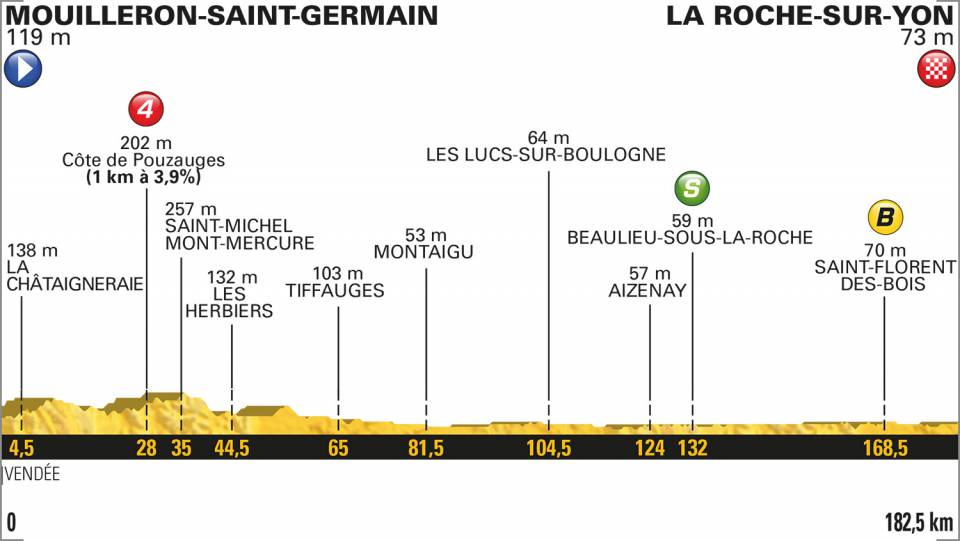
These stages are anything but a rest as teams will strategize to let a break go early, save their energy and then make a frantic effort to catch the break moments before the line. Ridden at an average of 45+ km/h these stages have been noted for big pile-ups in recent years – in the peloton there is no room for error and the slightest touch of the brakes can lead to big crashes.
Time trial: Each rider is pitted individually against the clock. Starting at 30 second or 1 minute intervals each rider goes at their limit for 10-50 km depending on the day. A variation on the individual time trial is the team trial in which a team of 8 vies for the best time.
Time trials are notable for their emphasis on aerodynamic equipment and there’s no doubt why as even a few seconds lost can mean the difference between making the podium or not.
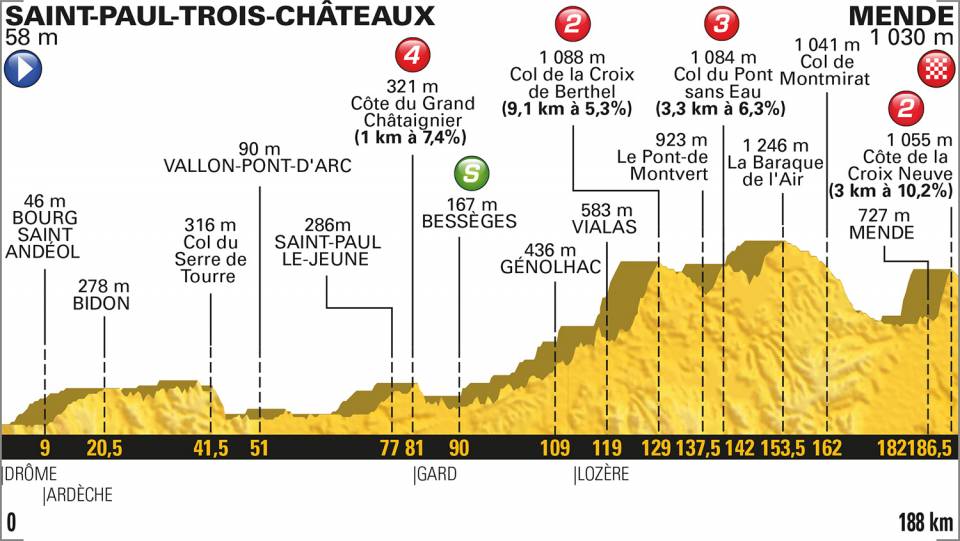
Mountain: Mountain stages are reknowned amongst cycling fans with climbs like La Planche des Belles Filles, Col du Galibier, and the Col du Tourmalet taking on legendary status. These climbs take even the best close to an hour to climb. And with two or three packed into a 200km plus mountain stage these days can make or break a riders race.
The race within the race
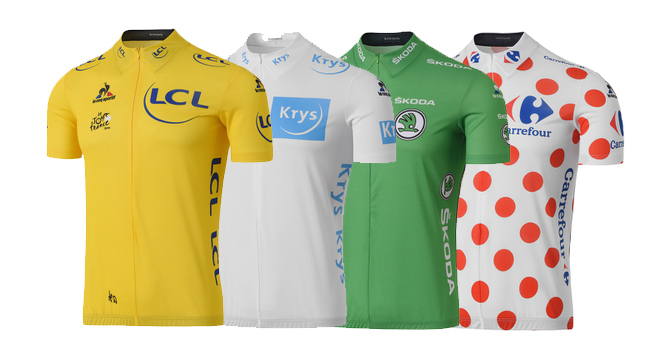
Within the race for the yellow jersey awarded to the overall race leader you will see the green, polka dot and white jersey.
The green jersey is awarded based on points. Points are given for being one of the first riders over the line on at intermediate points along the road and at the end of each stage. The green jersey is also known as the sprinter’s jersey.
The climber’s jersey, the red and white polka dot jersey is awarded to the best climbers. Climbers can chase points on mountain top finishes throughout the race.
The white jersey is given to the best young rider – a rider high on the general classification that is under 25 years old.
A few confusing terms to help…
The bus – a group of riders at the back of the race in the mountain stages. This group made up of sprinters and other non-climbers and the injured or sick aims to finish just within the days time limit.But it’s no picnic as they shrewdly calculate the time needed and ride as hard as they can to make it across the line
Bidon – French for water bottle.
Breakaway – A rider or group of riders will try to get away from the peloton and when they do they try to hold a lead and contest the finish on their own.
Bonking – A term more often heard amongst amateurs, but a bonk happens when a rider has completely run out of glycogen, the carbohydrate that fuels the muscles.
Bunch sprint – The mad dash for the line at the end of a stage when the whole race is still together. While it appears that the entire field is competing, in reality it is specialist sprinters and their dedicated lead-out men.
Cadence – Revolutions per minute at which the rider turns the pedals.
Classic – Difficult and legendary one-day races at the beginning and end of the season. Many of the same racers compete at both the Tour and the Classics but only a few excel at both.
Combativité – An award given to the most aggressive rider who has been involved in attacks, chasing down escapees and so on. Daily points are awarded according to how riders conduct themselves.
Contre-la-montre – A time trial, also known as the race of truth.
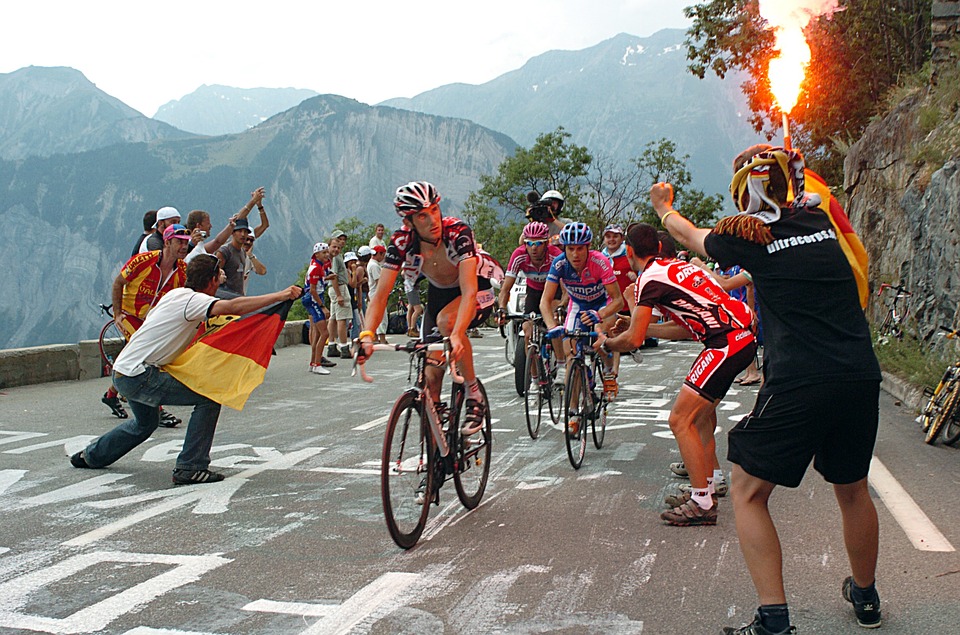
Directeur sportif – The ‘team director’, but like many things in cycling it just sounds better in French. The director selects the team’s riders, runs the day to day strategy and tactics and oversees the riders. Less like a coach and more like an off-field quarterback.
Domestique – Domestiques give up their own ambitions in favour of looking after the team leader. They’ll do anything for the team including bringing food and water to their team leaders, lending an wheel or even a bike if the leader has a mechanical issue and ensuring the leader gets back in the peloton.
Grand Tour – The highest category of stage race recognised by the UCI. There are three, three-week Grands Tours: the Tour de France, Spain’s Vuelta a España and Italy’s Giro d’Italia.
Lanterne rouge – The last rider on GC. The red light. But there is no shame as even finishing the Tour is a feat and some riders will even compete for lanterne rouge.
Lead-out man – A lead-out man provides a wheel for the sprinter, they shelter them until the final possible moment. The lead out man sprints all out in the final km before the sprinter accelerates from their slipstream in the final 300 or so metres.
Musette – A lunch bag with water bottles and food – remember – it all sounds better in French.
Parcours – Simply…the race route – see above!
Peloton – This French word simply means ‘group’.
Rouleur – A rider who can ride consistently at a steady pace without being bothered by rolling hills. They sometimes have their own special day when the terrain suits their skills but are often ‘super-domestiques’ able to provide a wheel for the team leader for hours at a time.
Slipstream – A pocket of air behind a rider that racers take advantage of to limit their energy expended.
Soigneur – A member of team staff who looks after the riders, performing duties such as giving massages, handing up food and water bottles, seeing that riders get to their hotels and so on.
Sprinter – A rider who is capable of accelerating very quickly at the end of a race. Sprinters are born, not made: you need a high proportion of ‘fast-twitch’ muscle and steely nerve to go shoulder-to-shoulder with a dozen similarly gifted riders at 70km/h.
Stage race – A multi-day race that can be anywhere from 3 to 21 stages.
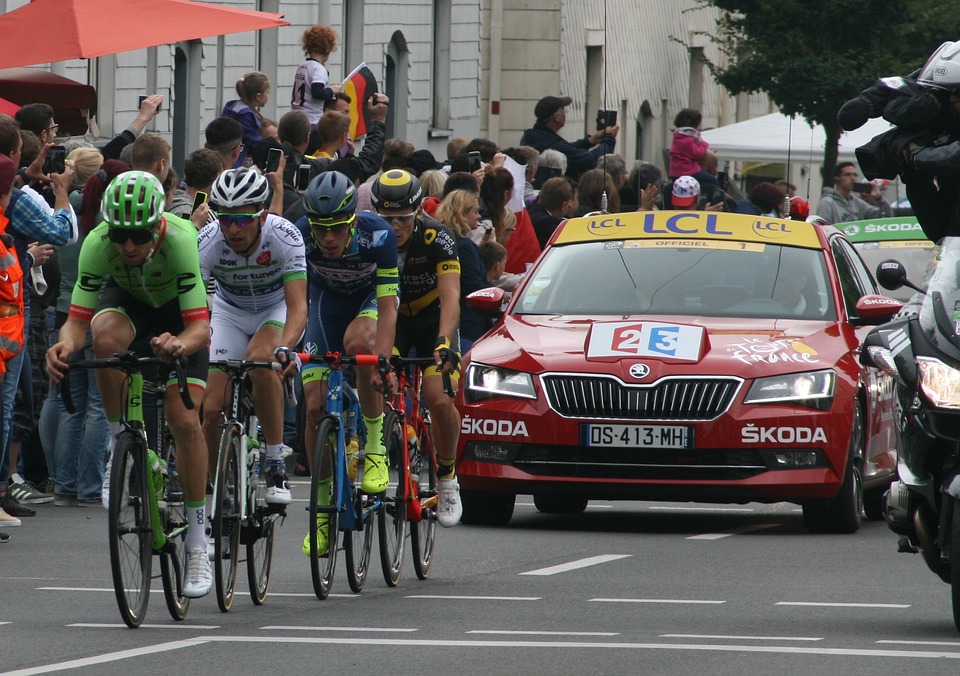
Team car – Each team has a car following the peloton that the team director and mechanic ride in. They watch the race, dictate strategy and help the riders if there are any problems.
Team leader – The team’s best rider. The team works in service of the team leader in order to reach their team and individual goal.
Team captain – Sometimes but not always the team leader. The team captain is like a quarterback that is is in charge of what happens out on the road. They are second to the team director and call the shots in the heat of the action.
Tempo – ‘Riding tempo’ means setting the pace for the peloton or for another rider, usually at a high but not excessive level.
Time bonus – Time bonuses can be given at the end of the stage for top finishing positions or at intermediate sprint point. They are offered to make the racing more exciting and to give riders an extra incentive to be aggressive.
Time limit – Riders have to finish within a percentage of the winner’s time or they are eliminated from the race and not allowed to start the next day. The time limit varies according to the type of stage, the terrain and the speed. For a fast, flat stage it be a small amount, say 5%, and for a mountain stage where the gaps are bigger it can be as high as 20%. As heartbreaking as it can be when a racer is eliminated the race organizers rarely use their discretion.
Time trial – A race against the clock, either solo or in teams. Known as the ‘race of truth’ the time trial is the most powerful test of a riders’ ability simply to ride as hard and fast as possible.
Are you watching this years Tour?
This year is shaping up to be an exciting race? Have you picked a favourite for the yellow jersey? Can Peter Sagan continue to dominate the green jersey?
Let us know in the comments below!
 Two Wheels Together
I absolutely love this! Talk about a well written, easy to navigate, informative blog on, in my opinion, a super interesting topic! Thank you for shedding light on the issues, hesitations, and curiosities I have encountered as a new rider. I look forward to reading more as you add to this site.
LikeLiked by 1 person