Ernest Hemingway said, “It is by riding a bicycle that you learn the contours of a country best, since you have to sweat up the hills and coast down them.”
There are nearly as many different types of bikes and ways to use them as there are people. And while in a previous post we cheekily put cyclists into neat little groups everyone really is an individual. The bike you ride is a little indication of who you are and, as you’ll change over the years, so will your interests and style of bike.
What am I going to use this bike for?
Over the last couple posts we’ve talked about the different types of riders, the different parts of a bike but now the hard question starts. What exactly do you want to do on this bike?
Do you want to rip through the city at breakneck speed? You might want a single-speed or a fixed gear with a flat handlebar or riser bar. This type of bike is equally good for riding to your favourite Ossington bar or coffee shop.
Want to ride the Don Valley and explore some of the best mountain biking in Ontario? You may want a freeride or cross-country (XC) mountain bike.
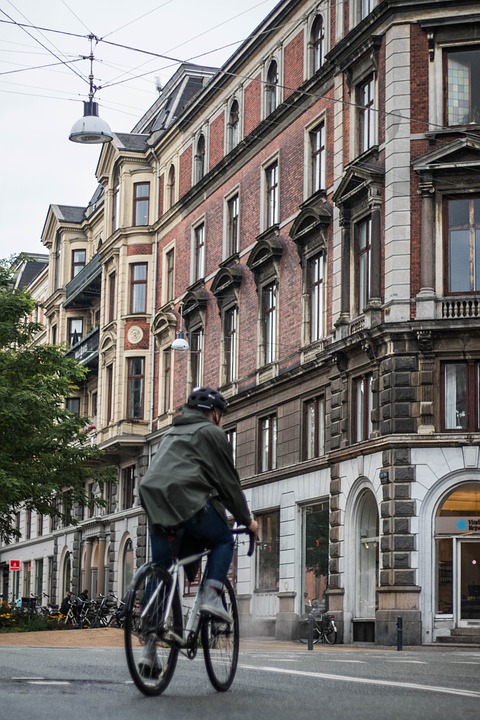
Maybe you plan to take the GO train to Ajax and then ride to Prince Edward County? You’ll need a bike with mounts for racks, usually in the form of threaded fittings on the seat stays and rear dropouts.
Going to commute downtown even if it rains? To keep from being cold and wet, you are going to need fenders. Whatever bike you get will need clearance between the tire and frame, not too mention the fittings, to accommodate them.
Or are you planning to join a club and go on fast rides on the weekend? A drop-bar racing style bike is the choice machine of racers and those who want to be racers.
Commuting by bike and train? A folding bike makes a great choice in this case. A folding bike can be easily stored in its own carrying case and is one way to by-pass the GO’s rush-hour restrictions.
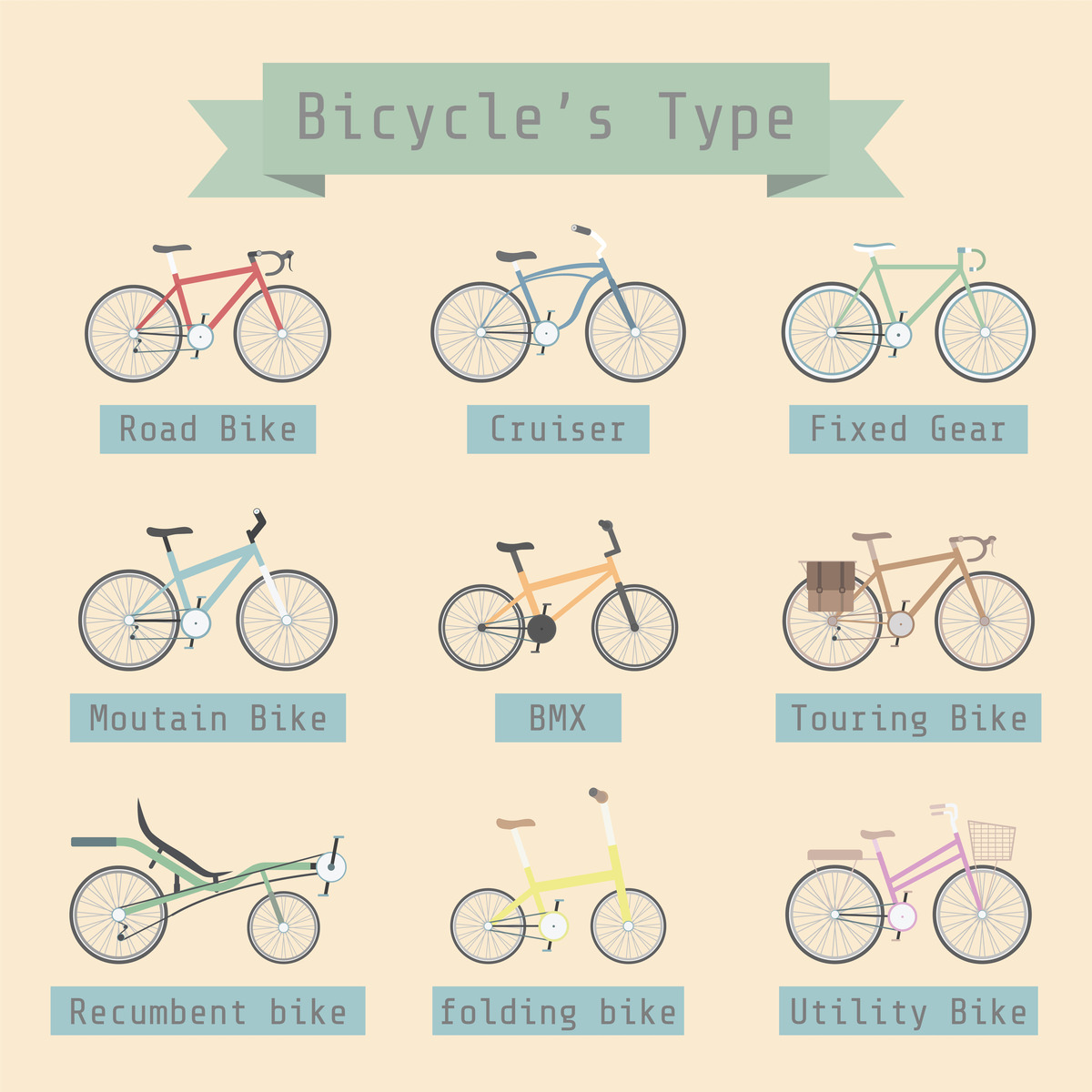
The National Bicycle Dealers Association (NBDA) maintains a list of different types of bikes commonly available. And, while you may know the difference between a mountain bike and a road bike, there are a few types in between that I haven’t listed here.
Set a budget
Spend some money, seriously, spending more is better than spending less when it comes to bikes (to a point at least). Avoid Walmart and Canadian Tire style bikes. They are just not worth it. These stores cater to the enthusiast who will ride their bike a couple of times and then leave it in the garage. For just a little bit more you can find a great bike at your local shop.
How much you spend depends on what you are looking for:
- The low range is $80 to $500. This range includes low-end department store bikes or older used bikes from a street-side vendor. Either way, you get what you pay for. The bike will likely be fine for short errands but far less than ideal for a longer ride.
- Mid-range bikes cost $500 to $2,000. These bikes are usually aluminum and are ideal for everyday riders. While they have better quality wheels, chains and pedals they are still modest enough to lock-up (carefully!!). The upper end of this range are often found in weekend races or group rides and leave little to be desired in terms of performance or style.
- High-end bikes cost $2,000 and higher. Usually made of carbon fibre, steel and titanium, there is no limit to how much a rider can spend if they choose to build their own custom bike complete with custom paint, carbon fibre wheels and more.
New vs used
New or used? That is the question. Much like cars or computers, bicycles quickly lose their value and so buying used can net the buyer some savings. However, buying a used bicycle can become an expensive mistake if the fit of the bike isn’t right or if there is some type of mechanical issue. Unless your budget is very tight, and you are willing to invest time in researching your object of desire, we recommend buying new from one of Toronto’s great local shops.
Kick some tires
It’s important that the shop you choose to buy from has relatable people working for them. A good shop is focussed on building a relationship with you, not just on selling you a bike. You’ll be relying on them for advice, repairs, and maybe even join their club or rides. Don’t be afraid to go into a few different shops to get a feel for their people.
Bike shops tend to have different areas that they specialize in. Some focus on road bikes or mountain bikes, some on practical, round-town bikes.
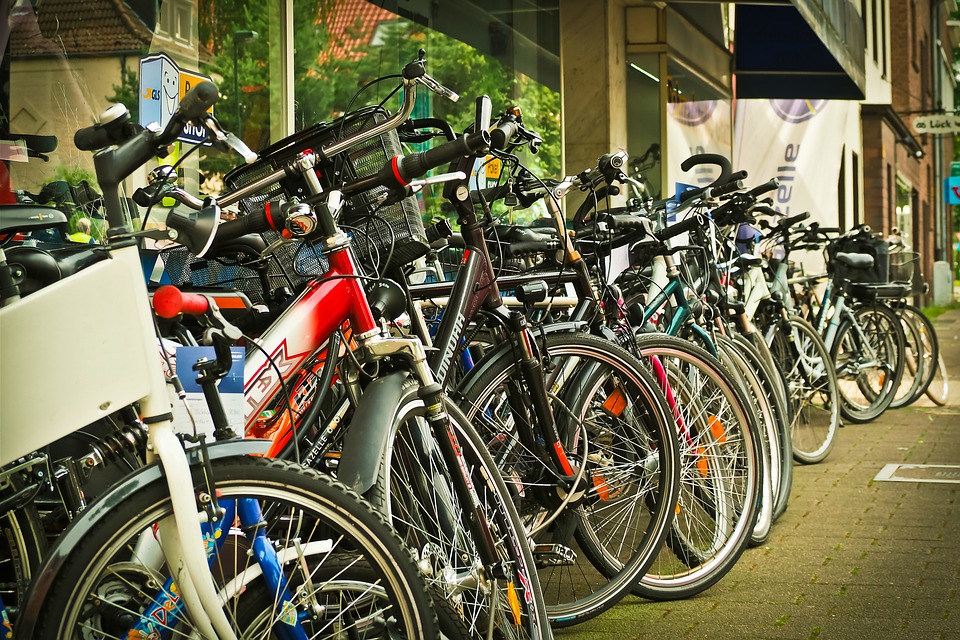
Each also has its own sub-culture. There might be the bike salvage store like Bike Pirates with an eclectic mix of characters, or an inclusive store like Urbane Cyclist that brings together the LGBTQ community, or the ultra-high-end store like The 11 catering to the custom buyer. If you pass a shop on your travels don’t hesitate, go in, talk to the staff and figure out if their vibe matches your own.
Leverage the bike shop’s knowledge
You’ve found a favourite shop, they have the brands and styles of bikes that you like. It’s finally time to buy a bike. That means talking to the bike shop salesperson. These are generally people who love to talk bikes, know a lot about them, and can geek out over bottom brackets and disc brakes. Use this knowledge to learn as much as you can and find the best bike for you.
But you’re in charge in this intimidating process. Be clear on what you want to use the bike for and firm with your budget. Be ready to listen, ask loads of questions and make multiple visits. It doesn’t hurt to bring a friend with a bit of experience with bike either.
The size of bike you need is dictated by your inside leg
Well, that sounds simple enough…
What this means is that you need to be able to reach the pedals from the saddle and stand comfortably across the bike when stationary. The only way to be sure of getting this right is to try bikes in a shop.
A quick rule of thumb is that the frame size should be about .65 times your inseam.
If you are buying a bike from a shop then you should be able to trust their judgement, but these guides are a good second check.
Take a test ride
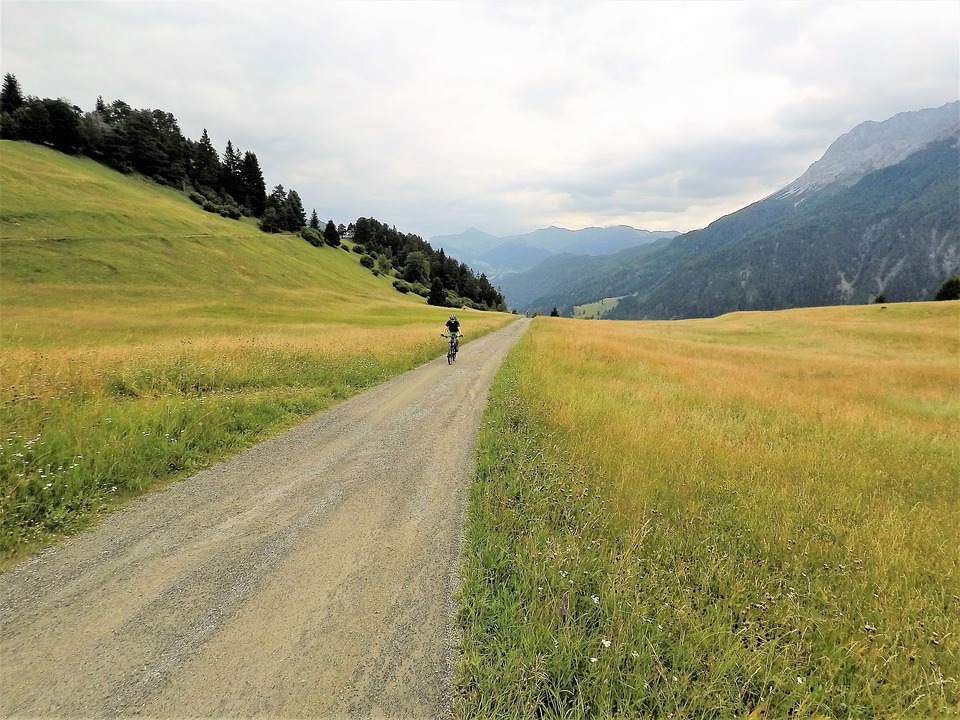
Generally, a fifteen-minute bike ride is enough to determine if a bike feels comfortable. Most shops can suggest a quiet street where you can concentrate on how the bike feels. Check if the bike fits, and that the reach to the handlebars feels comfortable. If something feels off, let the shop know so that they can adjust it as needed.
A key question on the test ride is, does the bike feel good? This is a subjective question but ask yourself – How does it respond, does it feel lively or sluggish? Does it turn quickly or slowly?
Accessories! Everybody loves accessories!
This is your chance to make the bike your own. And the shops final chance to upsell you! Lights, bells, horns, fenders and maybe even some neat tassels for your bar ends. Here are a few of the you might want to consider adding:
- Lights: The law states that you must have lights if riding a night. However, its become common practice to use lights during the day to increase your visibility.
- Rack & luggage: These can be a good idea if you plan on travelling or even just local community and you want to carry your extras. Panniers are your best option. These are a special bag that clips on to a rack bolted to the rear of the bike.
- Pedals: Many bikes, especially better-quality road bikes, come without pedals or with cheap plastic-bodied pedals. For a beginner the best options are flat, BMX-style pedals. More experienced riders will enjoy the benefits of clip-less pedals.
- Fenders: If you plan on riding in the rain on a regular basis fender are the best way to keep you dry and make the ride enjoyable. And, If you plan on riding in the rain with friends, fenders are a must (at least if you want to keep your friends).
Finally, take your time
As with any purchase, make sure you are comfortable and don’t let anyone pressure you into buying something you don’t feel 100% right about. While it’s a given that if you dive headlong into cycling that you’ll find yourself owning more than a few bikes in a couple years it’s important that your first one fits well and is sound enough that every ride is the best ride you’ve ever had!
Have you already gone through the bike selection and purchase process? Let us know in the comments section below what lessons you’ve learned or how to avoid roo
 Two Wheels Together
1 thought on “Finding the right bike for you”